


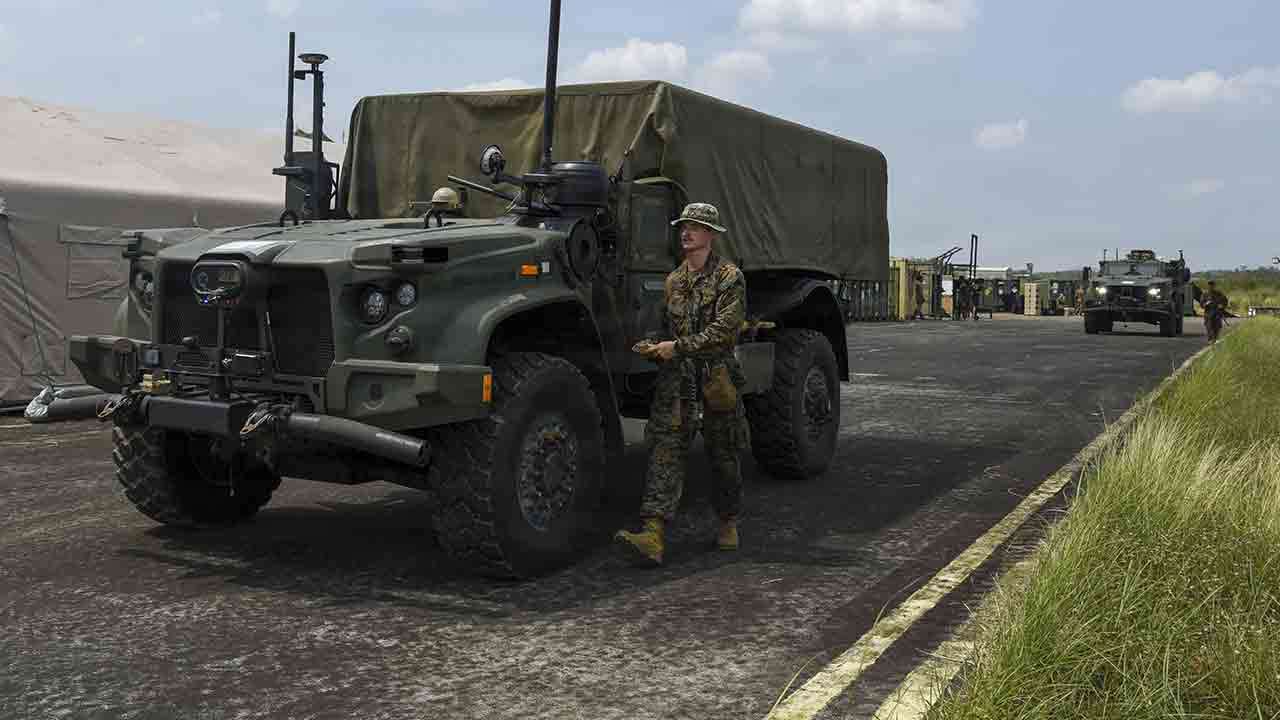
The U.S. 3rd Marine Littoral Regiment is taking part in Balikatan 2026 with coastal defense and maritime interdiction systems in the northern Philippines, a strategic area near the Luzon Strait.
The United States has positioned NMESIS anti-ship launchers in the northern Philippines during Balikatan 2026, the annual military exercise conducted in partnership with the Armed Forces of the Philippines.
The deployment is part of a broader series of activities focused on coastal defense, maritime interdiction, strategic area security, and access-denial operations in littoral environments.
Around 1,300 Marines and sailors from the 3rd Marine Littoral Regiment, a Hawaii-based unit, were sent to the archipelago to take part in the drills. The regiment specializes in coastal-area operations and was designed to support joint and allied forces with sensors, mobility, and maritime defense capabilities.
NMESIS system deployed in northern Luzon
According to information released by the U.S. Marine Corps, the launchers were positioned at Cagayan North International Airport, also known as Lal-lo Airport, in northern Luzon.
The site is one of the facilities that can be used by U.S. forces in the Philippines under the Enhanced Defense Cooperation Agreement, which enables closer military cooperation between Washington and Manila.
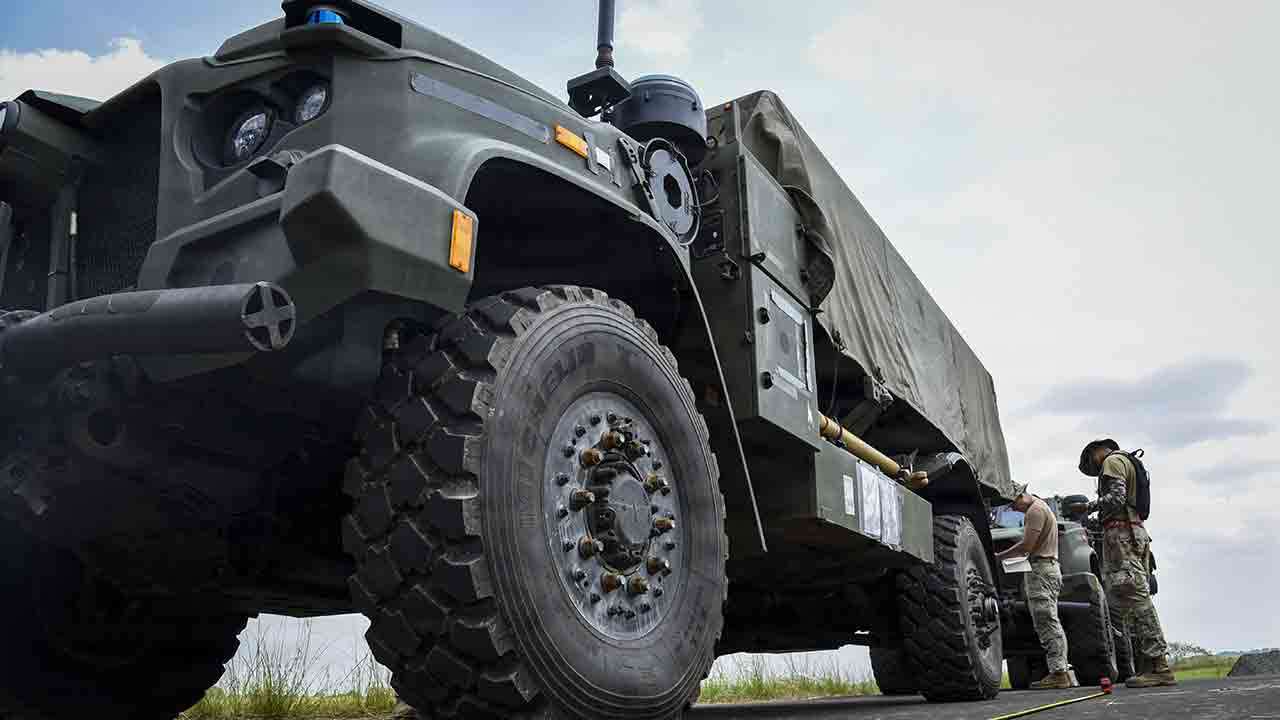
NMESIS, short for Navy-Marine Expeditionary Ship Interdiction System, is a mobile naval interdiction system equipped with Naval Strike Missile weapons. The platform was developed to operate in littoral areas and expand defense capabilities against naval threats in strategic zones.
From northern Luzon, the systems can cover relevant areas near the Luzon Strait, one of the main maritime passages between the Philippines and Taiwan. The region is considered essential for naval movement in the Indo-Pacific and for the security of the so-called first island chain.
Balikatan 2026 reinforces cooperation in the Indo-Pacific
Balikatan 2026 is taking place amid expanding military cooperation between the United States and the Philippines. This year’s edition includes simulated coastal defense operations, protection of strategic maritime areas, integrated air and missile defense, and mobility exercises in an island environment.
According to the Marines’ statement, the 3rd Marine Littoral Regiment is participating in Balikatan for the fourth consecutive year. The unit is expected to operate in scenarios involving simulated sea denial, maritime key terrain security, and defense against landing operations.
The presence of NMESIS in the Philippines also follows a trend seen in recent exercises. In previous editions of Balikatan and Kamandag, Marines moved anti-ship systems to areas of the northern Philippines and islands near the Luzon Strait, demonstrating the ability to rapidly transport and position coastal defense platforms.
Philippines, Japan and U.S. expand anti-ship integration
In addition to the U.S. systems, Balikatan 2026 is also expected to include anti-ship capabilities from the Philippines and Japan. Activities are planned with BrahMos systems operated by the Philippine Marine Corps and Type 88 launchers from the Japan Ground Self-Defense Force.
The activities include both live and simulated scenarios, with a focus on maritime defense, protection of strategic routes, and coordinated response in coastal environments.
In recent years, the Philippines has gained increasing importance in the Indo-Pacific security architecture. The archipelago’s location between the South China Sea, the Philippine Sea, and Taiwan makes the country a central point for mobility, maritime surveillance, and regional defense exercises.
The presence of systems such as NMESIS during Balikatan 2026 reinforces the priority given by Washington and Manila to military interoperability and the ability to operate in coastal areas of high strategic relevance.
Source and images: U.S. Marine Corps / Marines.mil
See also:
+ Be-12: the Soviet amphibious aircraft built to hunt submarines in the heart of the Cold War
+ 10 curiosities about the F-15 Eagle, the fighter jet that became a symbol of air power
+ Tencore and Shark Robotics join forces to advance military robotics in Europe