After consuming US$1.6 billion, U.S. nuclear submarine is withdrawn from service without returning to sea
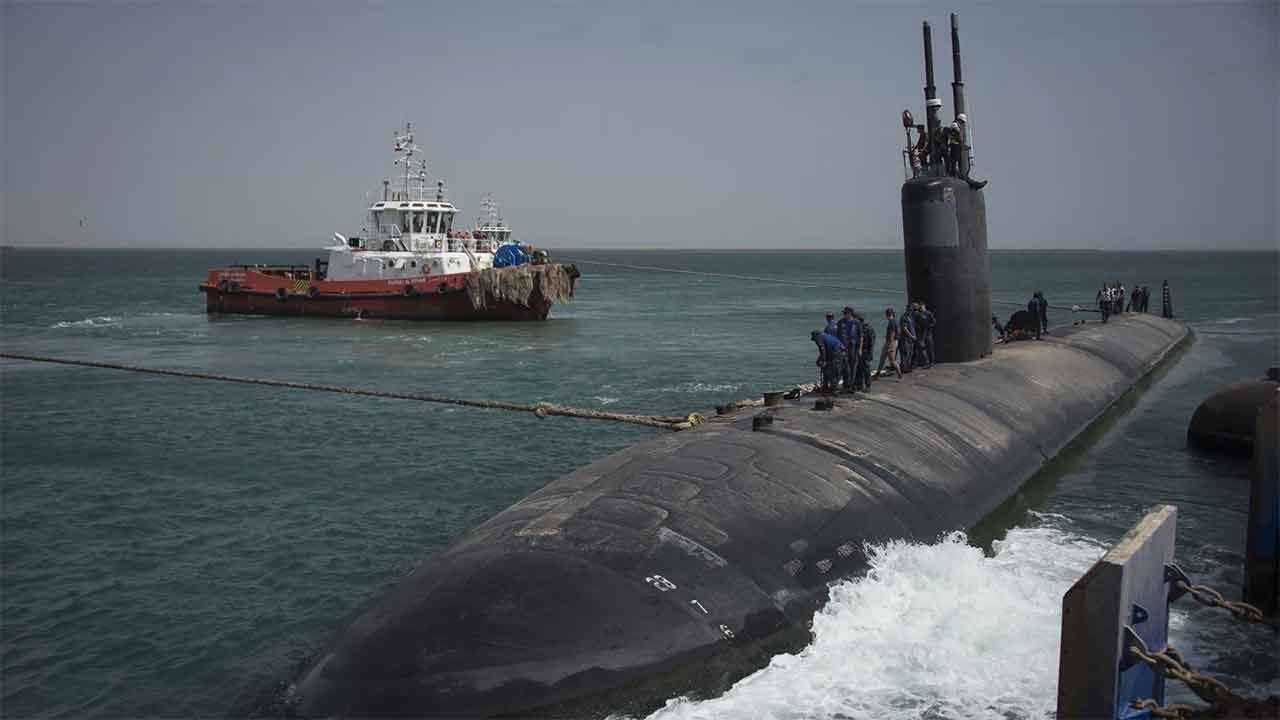
The United States Navy has decided to end the trajectory of USS Boise (SSN-764), a Los Angeles-class nuclear-powered attack submarine that spent more than a decade idle, accumulated about US$1.6 billion in investment, and will now be inactivated without fully returning to operations.
The Boise case became one of the most emblematic examples of the maintenance crisis affecting the U.S. submarine force. Even though it was one of the youngest submarines in its class, the vessel spent years stuck in overhaul queues, lost its dive certification in 2017, and ultimately became a symbol of the industrial bottleneck affecting U.S. naval readiness.
The Navy confirmed on Friday that it will abandon the submarine’s recovery and redirect resources to projects considered more strategic, such as the construction of new Virginia-class and Columbia-class submarines, as well as the maintenance of units with greater long-term value to the fleet.
Currently in drydock at HII Newport News Shipbuilding in Virginia, USS Boise had been scheduled for a routine overhaul since Fiscal Year 2016. However, the submarine spent years waiting for a slot at Norfolk Naval Shipyard, in a process that exposed the slowness and overload of the U.S. naval maintenance infrastructure.
After long periods sitting pierside, the submarine was transferred to the private sector. Towed to Newport News in 2018, it later returned to Norfolk and then back again to Newport News in 2020. Even so, the program remained stalled until the Navy signed a US$1.2 billion contract with HII in 2024 to finally carry out the overhaul. Combined with earlier spending, the amount invested in Boise reached around US$1.6 billion.
Even with that level of funding already committed, the Navy’s conclusion was blunt: the cost of restoring the submarine no longer made sense. After 11 years of inactivity, the service determined that continuing the program would consume labor and budget that could produce greater returns on other platforms.
In a statement, Chief of Naval Operations Adm. Daryl Caudle said the decision will allow the Navy to reallocate highly skilled workers to core submarine priorities. According to him, the focus now is to accelerate delivery of new submarines and improve the readiness of the current fleet.
The Navy also said that the funding and personnel previously associated with Boise’s overhaul will be redirected to other service priorities, reinforcing America’s submarine capability on a more useful timeline.
HII said it will work with the Navy to implement the decision efficiently and without affecting its workforce. According to the company, the professionals assigned to USS Boise will be moved to other projects already underway at Newport News Shipbuilding.
Boise became a public symbol of the accumulated backlog at the Navy’s four public shipyards, which prioritize ballistic-missile submarines, aircraft carriers, and only then attack submarines. This model helped worsen congestion in one of the most sensitive areas of U.S. naval power.
A report by the Congressional Budget Office had already warned that delays in overhauls directly reduce fleet availability. In many cases, submarines leave maintenance months later than planned, affecting deployments, shortening missions, and reducing the number of vessels available for operations at sea.
Analysts say the decision to end Boise’s cycle shows that the U.S. Navy is trying to preserve real combat capability rather than continue pouring resources into a platform whose operational return had become increasingly unlikely.
In practice, Boise’s retirement represents more than the loss of a submarine. It lays bare the limitations of the U.S. naval industrial base and reinforces the pressure on the United States to sustain both the construction of new assets and the recovery of its submarine fleet’s readiness at the same time.
Source imagens: usni.org | DVIDS