A new factory in Germany will play a key role in expanding GEM-T missile production and replenishing Ukraine’s interceptor stockpiles amid the war.
Raytheon, an RTX business, has signed a $3.7 billion contract to supply Patriot GEM-T interceptors to Ukraine, expanding support for the country’s air defense at a time of intense pressure on its infrastructure and airspace.
The announcement was made on Tuesday, April 14, and also highlights the strategic role of the new GEM-T production facility in Schrobenhausen, Germany. The site is expected to support not only this direct commercial sale, but also future contracts, strengthening the supply chain and helping replenish Ukraine’s interceptor inventory.
The facility will be operated by COMLOG, a joint venture between Raytheon and MBDA Deutschland, and is part of the company’s effort to expand its industrial capacity amid growing global demand for air and missile defense systems.
+ Know the T-6A Texan II, the trainer that prepares U.S. Air Force and Navy pilots
“Raytheon is focused on maximizing production capacity, ensuring a steady, reliable supply of these combat-proven interceptors for the United States and allies like Ukraine that rely on Patriot to protect their citizens, infrastructure and sovereignty,” said Phil Jasper, president of Raytheon.
According to the company, investments to increase GEM-T production include internal funding, industrial partnerships, second-source supply initiatives, and the expansion of the global supply chain.
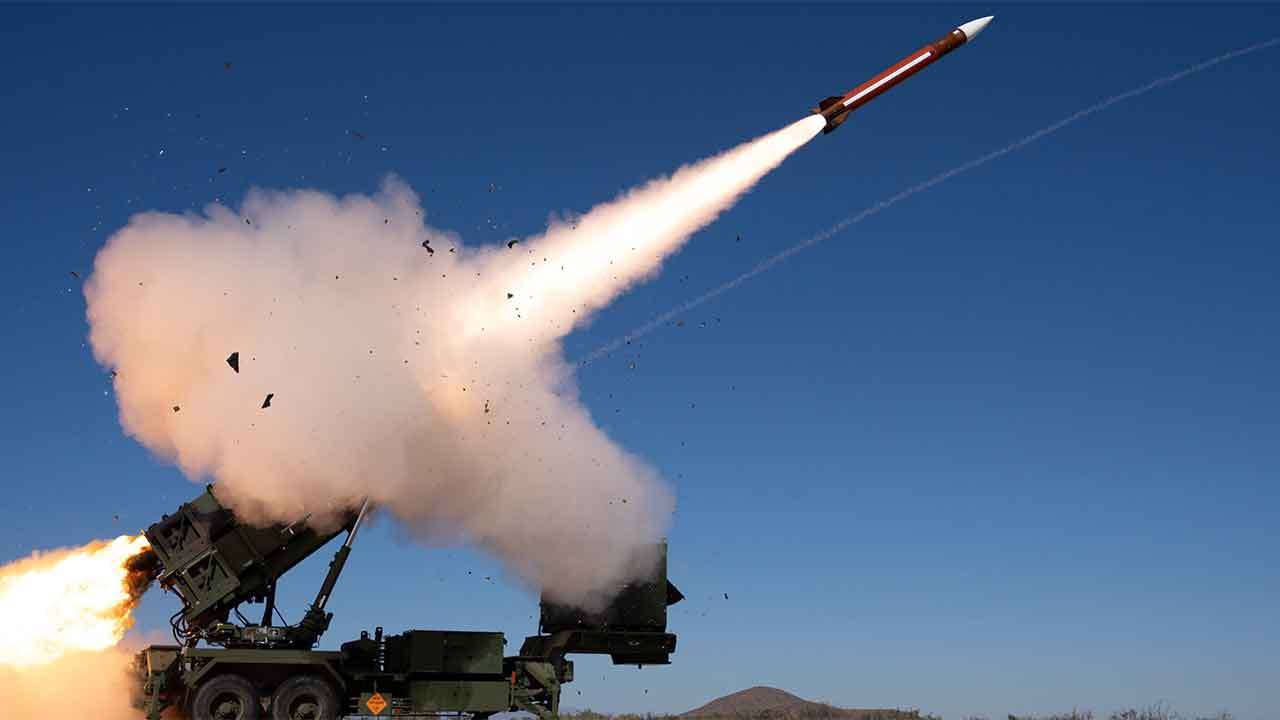
The Patriot Advanced Capability-2 Guidance Enhanced Missile-Tactical, known as the PAC-2 GEM-T, is one of the main interceptors used by the Patriot system and was developed to counter a wide range of airborne threats, including tactical ballistic missiles.
The Patriot system is currently the foundation of air defense for 19 countries and remains one of the West’s most established solutions for protection against aircraft, missiles, and other airborne threats.
The new contract shows that, beyond the delivery of weapons, the war in Ukraine is accelerating the expansion of Europe’s defense industrial base, with a focus on ensuring a continuous flow of interceptors for long-term operations.
Source and images: RTX