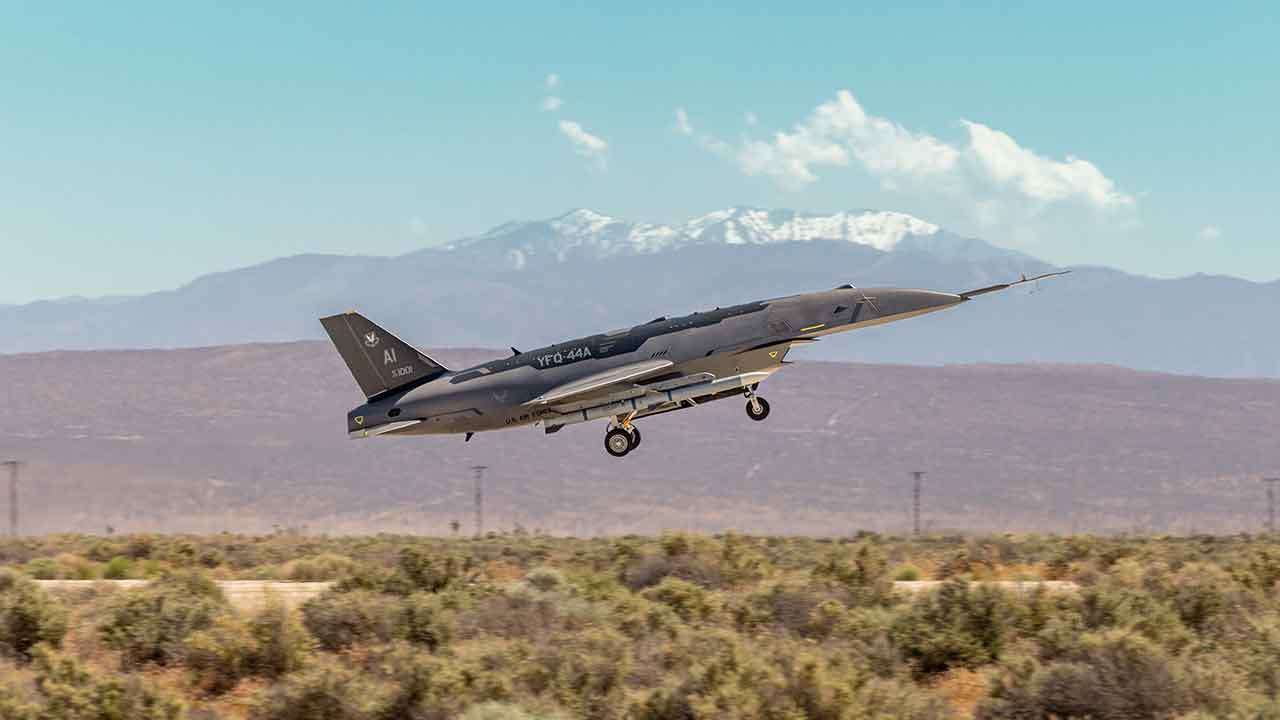
Exercise conducted at Edwards Air Force Base in California put the new combat-focused acquisition concept into practice and accelerated the operational development of the Collaborative Combat Aircraft
The United States Air Force recently concluded what it described as a decisive exercise involving the use of the YFQ-44A under the Experimental Operations Unit (EOU), a unit subordinate to the Air Combat Command. The activity, conducted at Edwards Air Force Base in California, also marked the practical application of the principles of the new Warfighting Acquisition System, a model designed to accelerate the delivery of military capabilities by introducing operational experimentation earlier in the process.
The exercise used aircraft from the Collaborative Combat Aircraft (CCA) program and represented an important shift in how the USAF intends to develop this type of capability. Instead of relying only on later testing phases, the proposal is to place operators directly at the center of experimentation from the beginning, helping shape tactics, techniques, and procedures that can speed up the service entry of these uncrewed platforms.
EOU personnel worked together with the 412th Test Wing of Air Force Materiel Command in a series of sorties aimed at refining operational and logistical procedures for employing and sustaining CCAs in contested environments. According to the Air Force, this type of hands-on testing is an essential part of the strategy to field uncrewed airpower rapidly and at scale, reducing barriers between the requirements, acquisition, and operations communities.
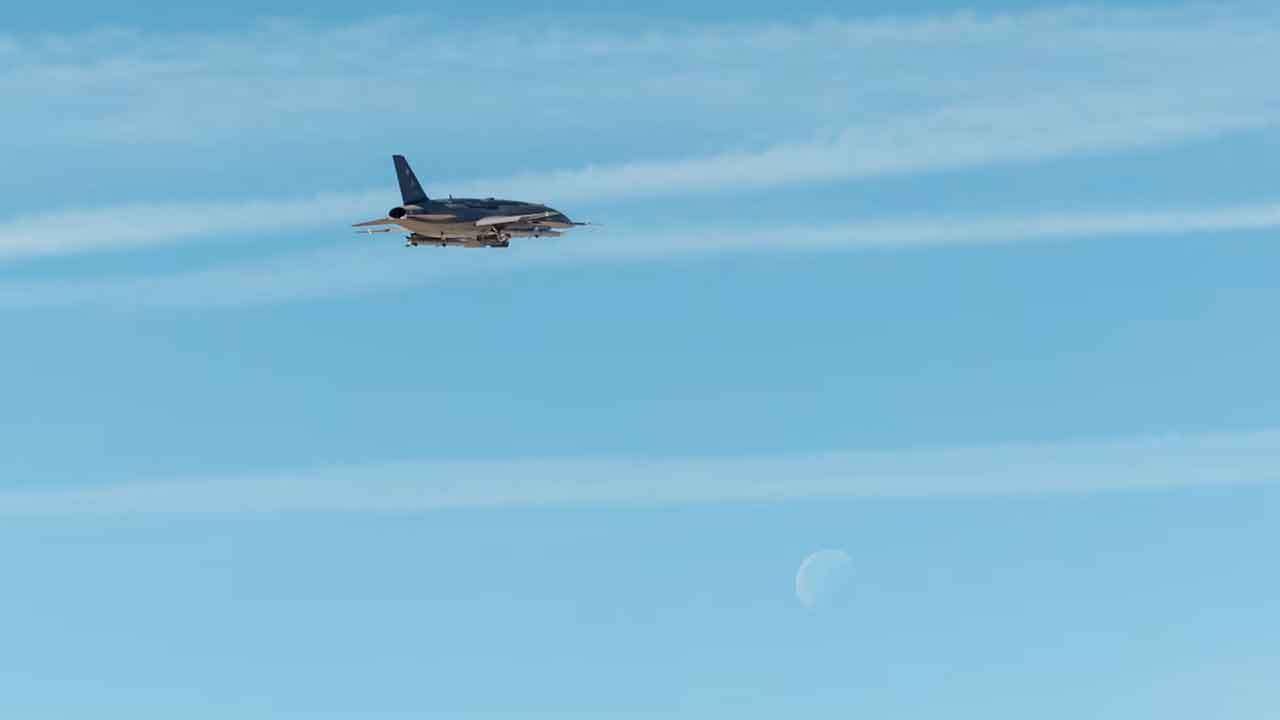
According to Lieutenant Colonel Matthew Jensen, commander of the EOU, the experimental event was carried out entirely by members of the unit from start to finish. He highlighted that every sortie was planned and executed with the direct participation of warfighters, rather than only engineers or test pilots, allowing learning to be more closely aligned with real combat demands.
As the unit designated to develop CCA employment concepts, the EOU’s core mission is precisely to place the operator’s perspective at the center of the process. The idea is that this participation from the earliest stages will help build the first tactics, techniques, and procedures needed to ensure these aircraft can be integrated into future operations in a practical way.
The Air Force also noted that the combination of testing authorities from Air Force Materiel Command and operational authorities from Air Combat Command helped accelerate the activity, enabling practical experimentation at what is considered an unusual stage in the development of a new capability.
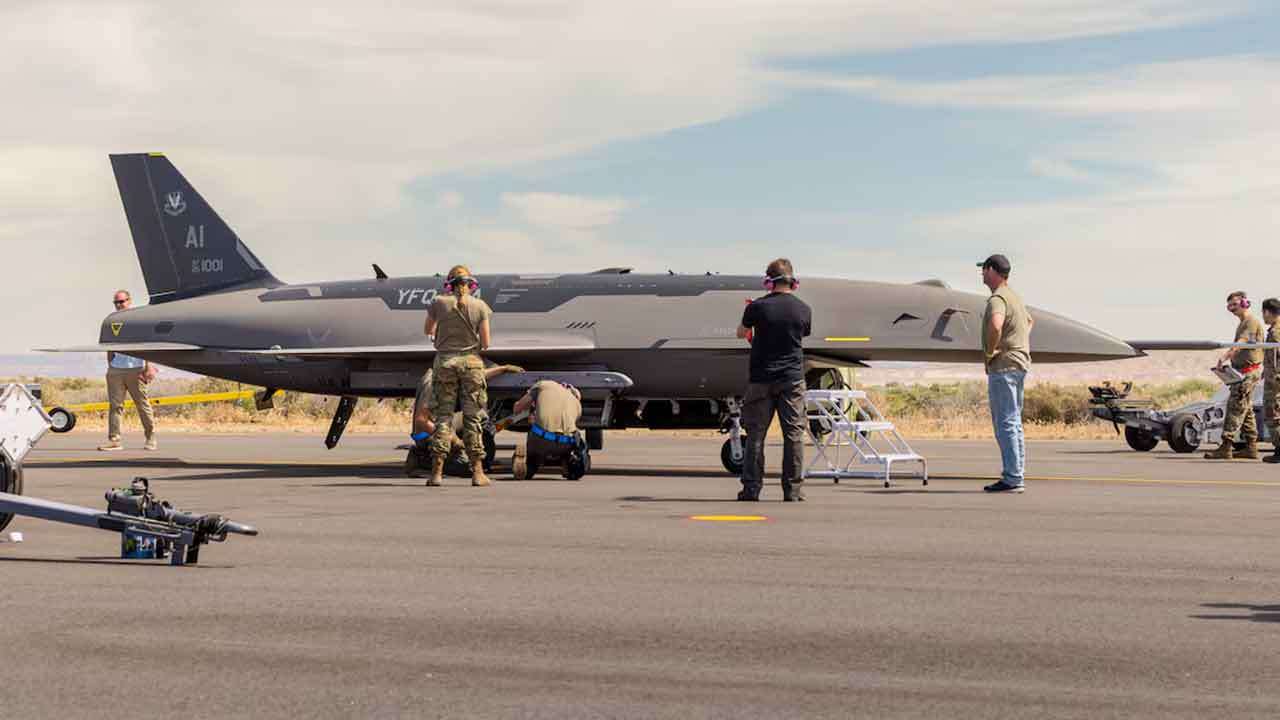
The CCA program is being treated as one of the main pilot projects of the Warfighting Acquisition System, structured to move from concept to a credible combat capability in record time. According to the USAF, the goal is to bring operators, developers, and test teams closer together in a continuous feedback cycle focused on delivering military capability at the speed required by the current environment.
For Colonel Timothy Helfrich, acquisition executive for the fighters and advanced aircraft portfolio, the collaboration seen during the exercise represents the foundation of the transformation now underway in the acquisition field. According to him, by integrating EOU operators with acquisition professionals, the Air Force is able to adjust operational and development risks in real time, adopting a more agile process.
The conclusion of the exercise is seen as another important step toward delivering a capability that is expected to expand the reach and increase the survivability of crewed aircraft in combat. With this, the U.S. Air Force moves closer to a fully operational CCA capability to support the Joint Force in the future.
Source and images: United States Air Force